Yana Skakun
Treehouse Wedding Venues in England: Whimsical & Unforgettable
By Yana Skakun·20 March 2026·6 min read
There is a certain kind of couple who, when presented with a list of venue options, immediately sets aside the country house and the converted barn and asks: "Is there anything a little more unexpected?" Treehouse wedding venues in the UK are the answer to that question — elevated, handcrafted structures nestled into living woodland that produce some of the most genuinely magical wedding photographs I have ever made. If you are considering one, let me walk you through what to expect, which venues stand out, and how to make the most of what is a truly singular setting.
Why Treehouse Venues Are Different From Any Other Outdoor Setting
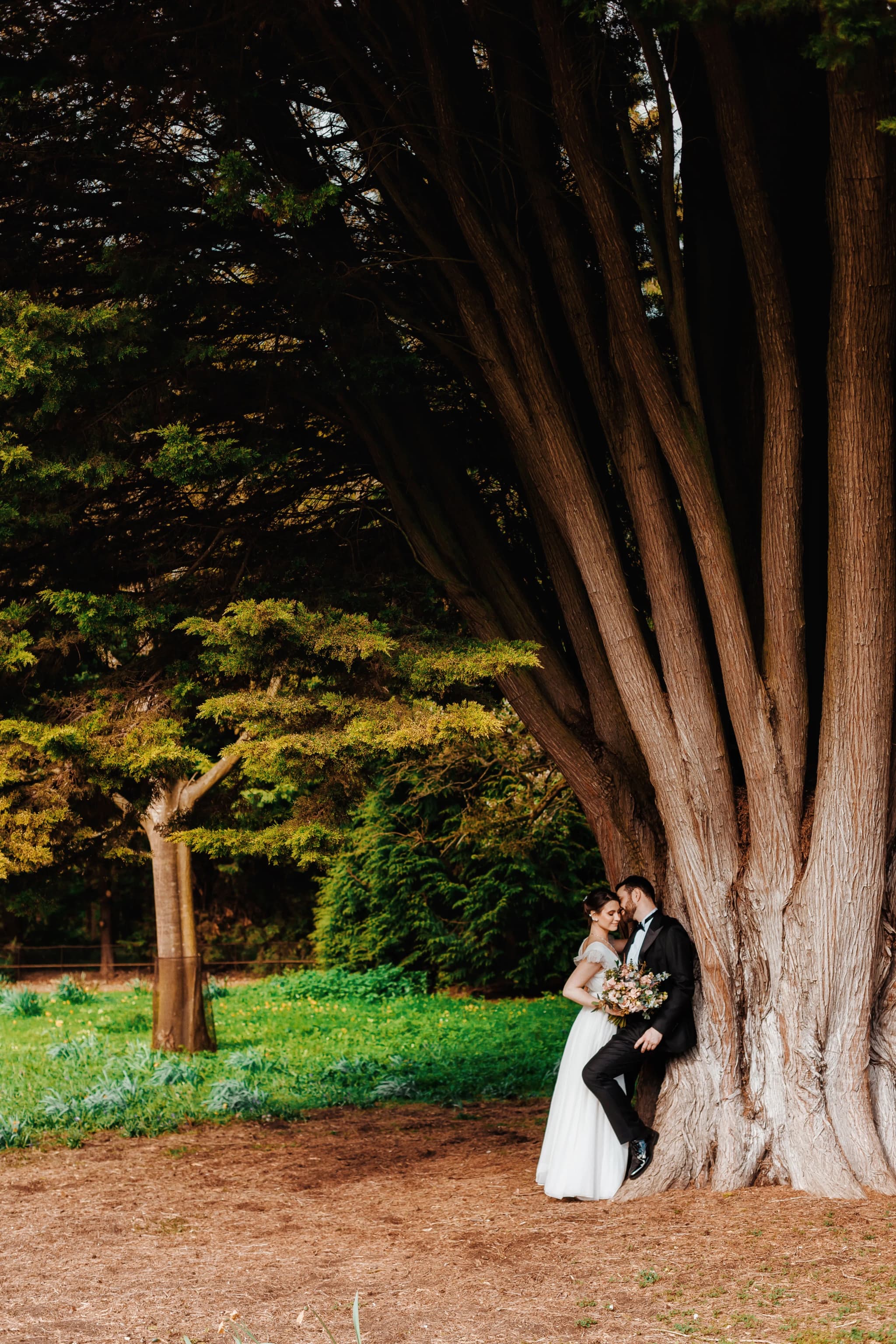
The thing that separates a treehouse wedding from a garden party or a woodland ceremony is elevation. Once you are up in the canopy, the world below recedes and the visual grammar of the day changes completely. Guests look up at you through branches rather than across a lawn. You look out over a sea of green rather than a horizon of fields. The whole spatial relationship between people, architecture, and nature shifts in a way that no ground-level outdoor venue can replicate.
The architectural quality of UK treehouse venues also sets them apart from generic outdoor spaces. The best structures — from the grand Alnwick Garden Treehouse in Northumberland to the smaller, more intimate Living Room Treehouses in Powys, Wales — are the result of extraordinary craftsmanship. Rope bridges, spiral staircases, hand-carved balustrades, and cantilevered decks create a visual richness that photographs beautifully from every angle. You are not decorating a blank canvas; the venue is already a work of art.
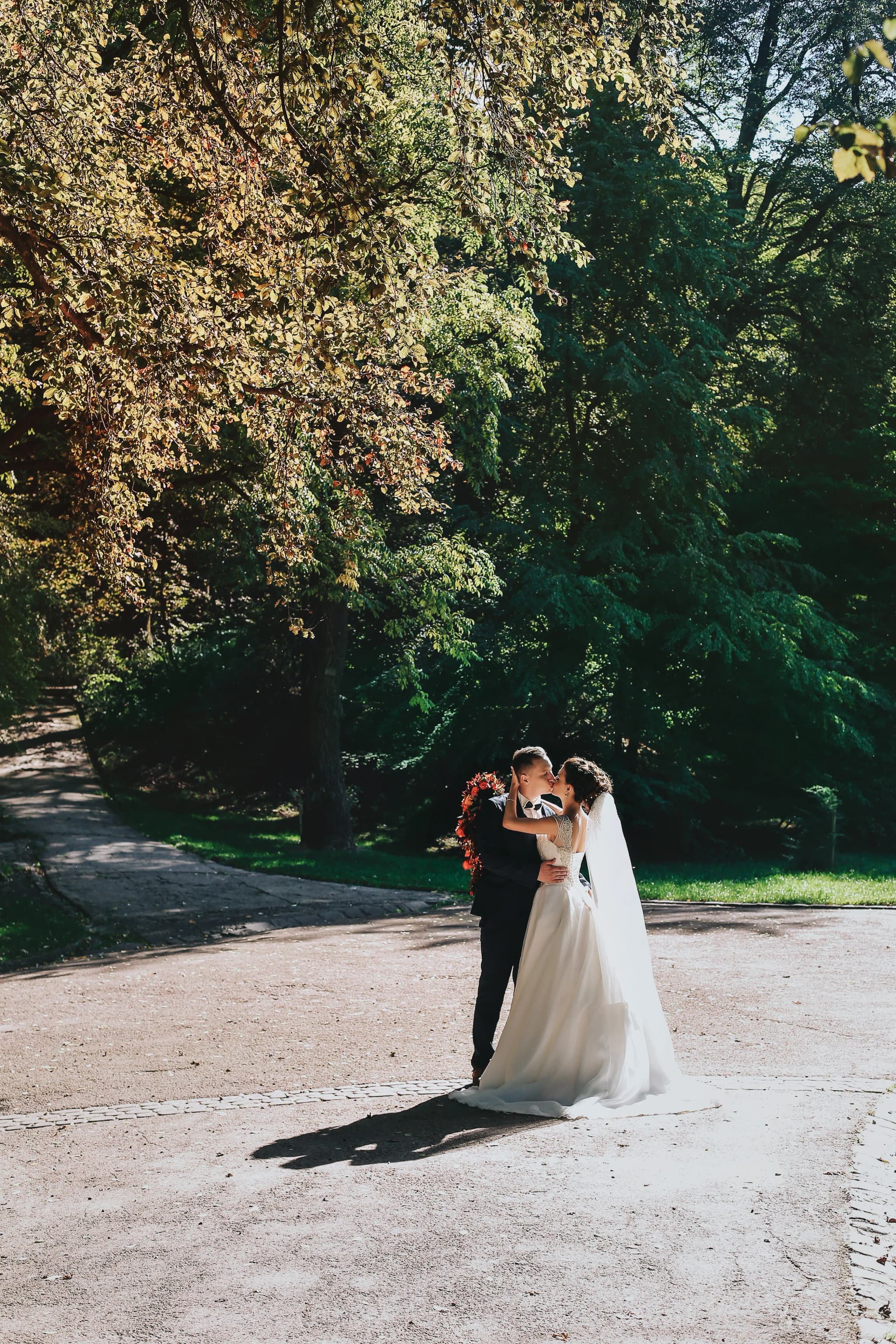
And then there is the light. Dappled canopy light is, in my experience as a photographer, the most flattering natural light that exists. Sunlight filtered through a moving canopy of leaves becomes soft, directional, and endlessly variable. It wraps around faces in a way that studio lighting tries and mostly fails to replicate. On a clear summer day, a treehouse wedding ceremony bathed in leaf-filtered sun produces images with a quality that is simply not available anywhere else.
The Leading Treehouse Wedding Venues in the UK
The Alnwick Garden Treehouse in Northumberland is the venue most people picture when they imagine a treehouse wedding. It is a remarkable structure built across sixteen trees, featuring a rope bridge entrance, a central dining room that seats up to 120 guests, and an outdoor terrace that feels like a stage suspended in the forest. The setting within the broader Alnwick Garden estate also gives you extraordinary variety for portraits — formal parterre gardens, the Grand Cascade water feature, and dense woodland all within walking distance of each other.
For couples seeking something more intimate and remote, the Living Room Treehouses near Welshpool in Powys offer licensed wedding accommodation in a cluster of bespoke treehouse structures in the Montgomeryshire countryside. The capacity is smaller — typically suited to micro-weddings and elopements of up to thirty guests — but the sense of privacy and immersion in the Welsh landscape is extraordinary. I have photographed elopements here where the only sounds were wind and birdsong, and the resulting images have a stillness that is genuinely rare.
Closer to the Midlands, Treehouse Utopia in Shropshire has established itself as a dedicated wedding venue with multiple treehouse structures, outdoor ceremony space, and enough visual variety to keep a photographer occupied all day. The handmade quality of the structures — reclaimed timber, natural rope, copper fixtures — gives every corner something interesting. Further north, the Cheshire countryside has seen several glamping and treehouse-adjacent venues emerge in recent years, so it is worth searching current licensed wedding venue directories if the North West is your region.
Photography Logistics: What You and Your Photographer Need to Know
Treehouse venues require more preparation than a conventional hotel or barn. The access routes are often narrow — rope bridges and spiral staircases are beautiful, but they are not designed for a photographer carrying two camera bags, a tripod, and off-camera flash equipment. Before your wedding day, I always arrange a venue visit or a detailed conversation with the venue coordinator to map out where equipment can be staged, which platforms offer the best vantage points, and where artificial light support might be needed if the ceremony is held in a naturally dim interior space.
The dappled light that makes treehouse portraits so beautiful is also technically demanding. Light levels change rapidly as clouds pass and leaves move, which means I shoot in aperture priority with exposure compensation dialled in, using fast primes that can handle sudden drops in light without introducing motion blur. Autofocus systems can struggle with busy, high-contrast canopy backgrounds, so I typically switch to single-point AF and pre-focus on likely ceremony positions before guests are seated. None of this is insurmountable — it is simply the kind of preparation that separates a photographer who has thought carefully about your venue from one who is seeing it for the first time on the morning.
Weather contingency planning matters more at a treehouse venue than almost anywhere else. Most UK treehouse venues have covered internal spaces, but the most dramatic images are always made outdoors on the decks and bridges. I always discuss with couples the level of weather risk they are comfortable accepting, and we agree in advance on a "wet plan" that still produces beautiful images even if the outdoor elements are curtailed. A rainy day in a treehouse can actually be spectacular — the sound of rain on a timber roof and the lush green of wet woodland are their own kind of magic.
Guest Experience and How It Shapes the Photography
One of the things I love most about treehouse weddings is how quickly guests relax. There is something about being up in the trees — removed from the ordinary world, surrounded by nature, in a space that feels slightly improbable — that unlocks a childlike joy in people. Adults who might stand stiffly at a formal reception find themselves leaning on rope railings, peering through gaps in the deck, laughing at the novelty of it all. This relaxation shows in photographs. Candid moments at treehouse weddings have a warmth and spontaneity that is harder to find in more formal venues.
The compact scale of most treehouse venues also concentrates that energy. With sixty guests on a single platform rather than two hundred spread across a ballroom, the community of your wedding is more visible and more photographable. I can be close to the ceremony without being intrusive, close to the reception table without disappearing into a crowd. This intimacy is one of the strongest arguments for choosing a smaller treehouse venue over a grander but more diffuse space.
Photographer's Tip: Schedule Your Portraits at Golden Hour
At treehouse venues, the hour before sunset is transformational. Low-angle light cuts horizontally through the canopy and turns every leaf gold. If your venue has an outdoor deck or bridge with a westward aspect, build your portrait session around this window — even twenty minutes in that light will produce the most extraordinary images of your day. Get in touch to talk through timing for your venue.
Seasonal Considerations for Treehouse Weddings
Each season transforms a treehouse venue in a different and equally compelling way. Late spring weddings — May and early June — catch the canopy at its freshest, when leaves are a luminous acid green and wildflowers are still visible on the woodland floor below. This is arguably the most photogenic season for treehouse portraits, and if your venue allows it, a morning ceremony in the May light is something I would always advocate for.
Summer weddings benefit from the fullest canopy and the longest days, giving a photographer maximum flexibility over timing. The risk in high summer is harsh midday light, which even canopy filtering cannot fully soften. I typically recommend scheduling group photographs in open shade and reserving portrait time for late afternoon. Autumn is visually spectacular — the canopy turns amber, copper, and gold, and fallen leaves on the decking add texture and colour to ground-level shots. Winter treehouse weddings are rare but extraordinary: bare branches make the structure of the treehouse more visible, frost on timber railings catches morning light, and the stripped-back palette gives images a dramatic graphic quality.
If you are flexible on season and your venue is available year-round, I would encourage you to think about what mood you want your photographs to carry. The lush opulence of summer, the jewel tones of autumn, the stark beauty of winter — each is genuinely different, and none is wrong.
How to Prepare for Your Treehouse Wedding Day
Practical advice first: wear footwear you can walk in safely on wooden decking, rope bridges, and potentially damp steps. This sounds obvious, but I have seen more than one bride negotiate a spiral staircase in heels that were not designed for the challenge. Most treehouse venues will advise on this, but it is worth raising with your bridal party and asking groomsmen and ushers to be aware of guests who might need a steadying hand on narrow access points.
Think about your colour palette in relation to the venue. Treehouse settings are dominated by greens, browns, and the warm tones of natural timber. Warm ivory, blush, copper, and deep jewel tones all photograph beautifully against this backdrop. Very cool tones — pure white, ice blue, silver — can look slightly at odds with the warmth of the setting, though this is a matter of taste rather than a rule. Florals in warm, natural tones — pampas grass, eucalyptus, dried flowers, dahlias, sunflowers — look particularly at home in these venues.
Finally, give yourself and your guests time to simply be present in the space. Some of my favourite wedding photographs are made in quiet moments — a couple standing on a rope bridge looking out over the treetops, children peering through a gap in the decking, an elderly grandparent taking in a view they could not have imagined seeing from the ground. Treehouse venues reward slowness and presence in a way that more conventional spaces do not.
Treehouse weddings remain genuinely unusual in the UK — there are perhaps a dozen venues that do this well, and each one has its own character and atmosphere. Whether you are drawn to the grand scale of Alnwick, the remote intimacy of the Welsh hills, or something smaller and closer to home, the decision to marry in the trees is one that produces not just extraordinary photographs but an experience your guests will talk about for years. I would love to be part of that day — explore my wedding photography work or get in touch to discuss your plans.

Yana Skakun
Photographer · England
Professional wedding, family and portrait photographer based in England. Passionate about capturing authentic emotions and timeless moments.
About Yana →treehouse wedding UKtreehouse wedding photographerwoodland platform venue wedding
Wedding Tips — Wedding Photography in Cambridge & England
Yana Skakun is a professional wedding photographer based in Cambridge, covering weddings across England — from intimate elopements to full-day ceremonies at country houses, barns, and city venues. Every couple receives a relaxed, documentary approach that captures the day as it truly unfolds. This guide — Treehouse Wedding Venues in England: Whimsical & Unforgettable — is part of the photography journal: practical, experience-based advice drawn from real sessions across England. Whether you arrived searching for treehouse wedding uk or treehouse wedding photographer, the same care and attention shapes every session Yana photographs.
Wedding Photography sessions are available year-round, with bookings open across Cambridge, Ely, Huntingdon, Peterborough, and further afield — East England, London, the Midlands, and beyond. If you have specific questions about woodland platform venue wedding, mention it in your enquiry. Get in touch through the contact form above to check availability and discuss your session. Enquiries are welcomed from anywhere in the UK.
Frequently Asked Questions
How much does a wedding photographer cost in England?+
Wedding photography in England typically ranges from £1,500 to £4,000+ for a full day. Price depends on experience, coverage hours, and whether albums or engagement shoots are included. Most photographers charge between £2,000–£3,000 for 8–10 hours of coverage.
How early should you book a wedding photographer?+
For peak season (May–September), book 12–18 months in advance. For autumn and winter weddings, 9–12 months is usually sufficient. Popular photographers at popular venues fill up fast — as soon as you have a date and venue confirmed, start reaching out.
How many photos do you get from a wedding photographer?+
Most professional wedding photographers deliver 400–800 edited images for a full-day wedding. The exact number depends on coverage hours, how many guests there are, and the photographer's editing style. Quality matters more than quantity — a curated gallery of 500 images tells the story better than 1,500 unedited files.
Do you need a second photographer at your wedding?+
A second photographer is helpful if you want simultaneous coverage of getting-ready moments in different locations, multiple angles during the ceremony, or more candid coverage during the reception. It adds cost but significantly increases the variety and completeness of your gallery.
What is the difference between documentary and editorial wedding photography?+
Documentary (reportage) wedding photography captures moments as they happen — the photographer observes and doesn't intervene. Editorial photography involves deliberate direction: placing you in good light, shaping compositions, creating intentional portraits. Most photographers blend both styles throughout the day.
Continue Reading
Related Articles

Wedding Tips
Sustainable Eco-Friendly Wedding Guide — Planning a Green Celebration
15 min read · Read Article
Wedding Tips
Trash the Dress Session — Complete Planning and Photography Guide
14 min read · Read Article
Wedding Tips
Client Communication for Photographers — From Enquiry to Gallery Delivery
15 min read · Read Article
Get in Touch
Ready to Book Your Session?
Get in touch to discuss your vision — I'll reply within 24 hours.