Yana Skakun

What Is a Cake Smash Session? Everything Parents Need to Know
By Yana Skakun·10 July 2026·8 min read
If you have a baby approaching their first birthday, there is a good chance someone has already mentioned "cake smash photos" to you, possibly alongside a photo of a very sticky, very delighted one-year-old covered in buttercream. It is one of the most requested sessions I photograph each year, and also one of the most misunderstood. Parents often arrive with questions they feel slightly silly asking — is it really just letting a baby destroy a cake in front of a camera? Is it messy for the sake of being messy? Is there a point to it beyond a funny photo? This guide answers those questions honestly, based on what actually happens during a real cake smash session rather than what the curated highlight photos suggest.
The Short Answer: What a Cake Smash Session Is
A cake smash session is a short, styled photoshoot built around a baby's first encounter with a small cake made specifically for them, usually timed to their first birthday. The session is set up in advance with a backdrop, a chosen colour scheme or theme, and often a few supporting props — balloons, bunting, a "ONE" sign, a wooden stool or vintage chair for the baby to sit in. The baby is placed in front of the cake and, largely, left to do what babies do: poke it, taste it, grab fistfuls of it, sometimes ignore it entirely and try to eat the candle instead. The photographer captures the whole arc, from cautious curiosity to full, gleeful destruction.
It is not a session built around instructing a one-year-old to perform. Nobody is telling the baby how to interact with the cake. The entertainment and the charm of the images come precisely from the fact that every baby responds differently, and that response is genuine and unscripted. Some babies dive straight in. Some sit and stare at the cake with deep suspicion for the first five minutes. Some cry the moment icing touches their hands and need a change of approach entirely. All of those reactions make for real, honest photographs of exactly who your child is at exactly one year old.
Why Parents Book Them
The first birthday sits at an interesting point in a baby's development. They have usually gone from newborn to a genuine little person with facial expressions, personality, and (often) a few wobbly first steps, all within twelve months. A cake smash session is a way of marking that milestone with something more characterful than a formal portrait. It is not trying to be elegant or composed — it is trying to capture personality, and mess is, unfortunately for tidy parents everywhere, an extremely effective way of revealing personality in a one-year-old.
There is also a practical, family-history dimension to it. Many parents who book a cake smash tell me it is because their own parents have old photographs of them at this age doing something similarly undignified, and they want the same for their own child — a photograph that is funny now and will be treasured, and slightly mortifying to the child themselves, in fifteen years' time. That combination of humour and sentiment is part of what makes the genre endure. If you are weighing this up alongside other milestone options, it is worth reading about what a first birthday photoshoot more broadly involves, since a cake smash is often one component of a wider first-birthday session rather than the whole thing.
Thinking about booking a cake smash?
I photograph cake smash sessions across Cambridge and the surrounding villages, in studio or at home, with a relaxed, unhurried approach built around your baby's actual mood on the day rather than a fixed shot list. If you would like to check dates near your baby's first birthday, get in touch and I will talk you through timing, themes, and what to expect.
Get in touchWhat Actually Happens During the Session
A typical cake smash session runs for around forty-five minutes to an hour in total, though the cake portion itself is usually only ten to fifteen minutes of that. The rest of the time is spent on a set of clean, non-messy portraits first — the baby in their outfit, sitting nicely, smiling, perhaps with a sibling or parent — before the cake comes out at all. This order matters. If you photograph the mess first, you have a limited, once-only opportunity to get the tidy portraits, and most one-year-olds are not interested in sitting still and smiling again once they have had icing on their hands.
Once the tidy portraits are done, the cake is introduced. I keep this part genuinely unscripted. Some babies need a parent nearby, just out of frame, offering encouragement or a first taste to get things going. Others are off immediately, both hands in the cake within seconds. I photograph continuously through this stage, because the most charming expressions are often fleeting — the exact moment of first surprised delight, the concentrated frown of a baby working out how to get a piece of sponge into their own mouth, the parent laughing just out of shot. After the cake, if the baby is happy for it, a bath or wipe-down and a few final relaxed shots often round the session off nicely, since a freshly cleaned, slightly damp, thoroughly satisfied baby produces its own lovely photographs.
Throughout, I try to read the baby's mood rather than force a plan. If a baby is overwhelmed by the cake and starts crying, we do not push through it for the sake of getting the "classic" shot. We slow down, take a break, let a parent hold them, and try again once they have settled, or adapt the session to what is actually working. The best cake smash photographs come from babies who are enjoying themselves, not from babies being coaxed through discomfort for a predetermined image.
Choosing a Cake, Theme, and Colour Scheme
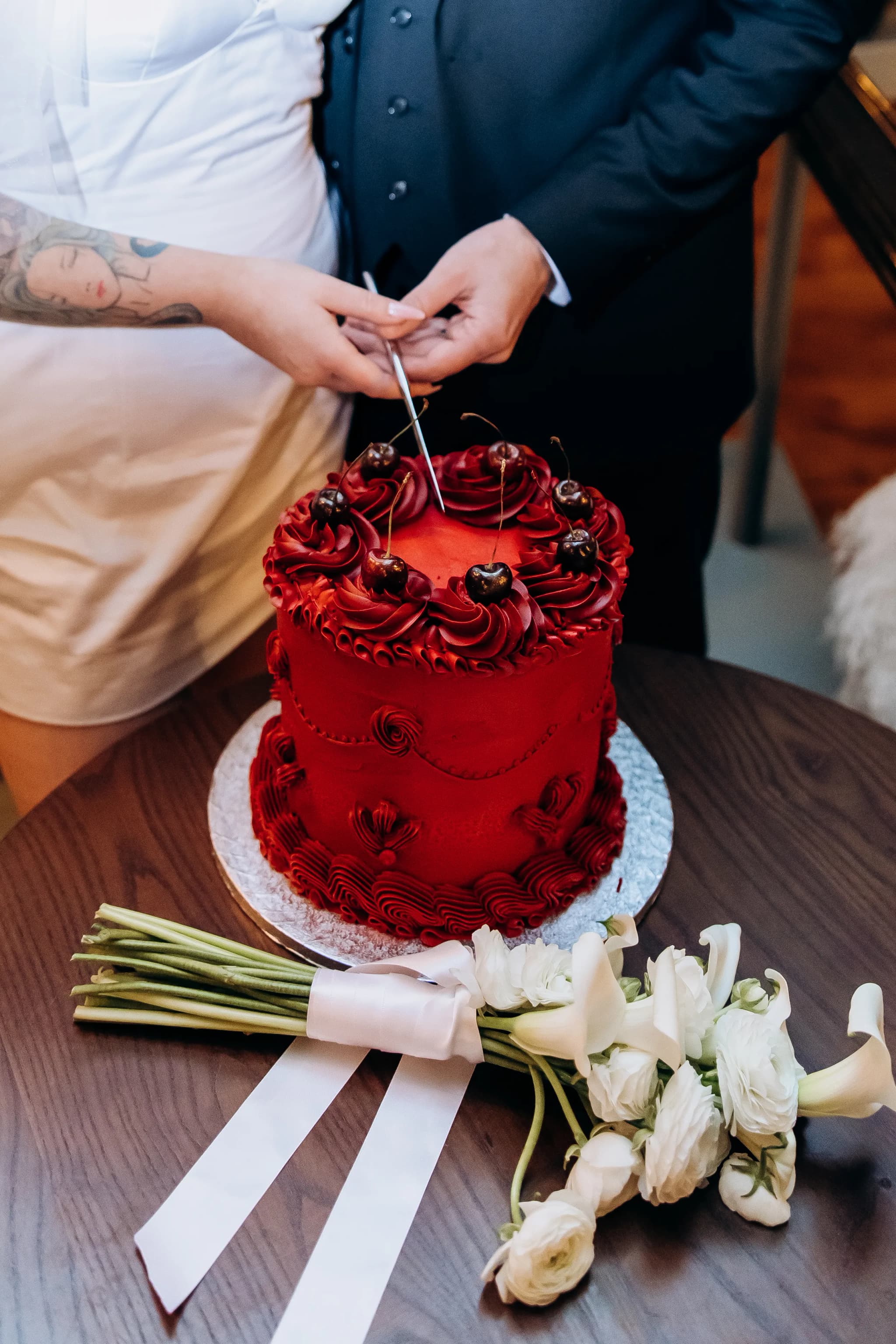
The cake itself matters more than people expect. It needs to be a genuine, edible cake — not a decorative dummy — because part of the appeal of the images is the baby actually eating and enjoying it. Smash cakes are usually small, roughly four to six inches across, made with minimal or age-appropriate ingredients (many parents opt for reduced-sugar recipes, or cakes free of common allergens if there is a family history of food sensitivity, and it is worth discussing this with your GP or health visitor if your baby has not yet had significant exposure to eggs, dairy, or wheat). Many local bakers now offer smash cakes specifically, iced in whatever colour scheme you have chosen for the shoot.
Colour schemes tend to follow a few reliable directions: soft neutral tones (cream, sage, terracotta) that photograph beautifully and do not date quickly; a single bold colour that matches a favourite toy or the nursery theme; or a specific interest-led theme, from dinosaurs to space to a particular storybook character. I would gently steer away from anything too visually busy in the backdrop and props, since the baby and the cake are already providing plenty of colour and movement — a simpler backdrop lets their expressions stay the clear focus of the image rather than competing with patterned bunting and multiple prop layers.
Timing: When to Book Relative to the Birthday
Cake smash sessions are usually photographed in the two to three weeks before the actual first birthday, rather than on the day itself. This is partly practical — birthdays are often already full of family visits and a party — and partly about avoiding the pressure of trying to schedule a photoshoot around an already busy day. Photographing slightly early also means the images and any prints or albums can be ready in time for the birthday itself, or shared at a party if you would like to.
It is worth booking your slot several weeks ahead of when you want the session to happen, particularly if you are hoping for a specific weekend date, since first birthdays cluster around certain times of year and popular dates fill quickly. If you are also planning a wider set of milestone photography — newborn, sitting up, first birthday — it is worth looking at how these connect as a series rather than booking each in isolation; I cover this in more detail in the piece on milestone baby photoshoots.
Studio, At-Home, or Outdoor?
Cake smash sessions can be photographed in a studio with a controlled backdrop and consistent lighting, at home in a favourite corner of the living room, or occasionally outdoors in good weather, though outdoor sessions bring their own complications with wasps and unpredictable light that most parents choose to avoid. A studio setting gives the most control over background, colour, and light, and tends to produce the cleanest, most classically "cake smash" style images. An at-home session has a different appeal — it captures the baby in their own environment, which some families prefer for the sense of familiarity and lower disruption to the baby's routine, since there is no travel or unfamiliar space to adjust to before the cake even arrives.
Whichever setting you choose, timing the session around your baby's natural rhythm matters more than almost anything else. A baby who is tired, hungry, or overstimulated is unlikely to engage happily with a cake regardless of how beautiful the setup is. I always ask parents to schedule the session for a time of day when their baby is typically at their most alert and content, and to keep the couple of hours beforehand as calm and normal as possible — a good nap and a reasonably full stomach do more for the success of a cake smash than any amount of styling.
What to Bring and How to Prepare
Beyond the outfit for the tidy portraits (something simple that will not distract from your baby's face, and that you do not mind getting slightly grubby around the edges even before the cake stage), it is worth bringing a change of clothes for after, a couple of favourite toys or a comfort item in case your baby needs settling between stages, and any snack your baby is used to, in case the cake itself does not immediately land as edible and interesting to them. Wipes and a muslin cloth are useful, though I usually have supplies on hand as well.
It is genuinely fine, and common, for babies to be uncertain about the cake at first. Some of the loveliest images come from that hesitant, curious stage before a baby commits to getting messy. I never rush a baby into the "smash" part of a cake smash — the session is built to accommodate whatever pace and personality your baby brings on the day, whether that is instant enthusiastic chaos or a slow, thoughtful investigation that only turns messy in the final minute.
A cake smash session, done well, is less about mess for its own sake and more about capturing a genuine, unrepeatable moment of a one-year-old encountering something new, on camera, at exactly the age when their reactions are at their most honest and their most delightful. As Yana Skakun Photography, I photograph cake smash sessions across Cambridge with a relaxed, low-pressure approach that puts your baby's comfort first and lets their real personality lead the session. If you would like to check availability around your baby's first birthday, get in touch and we can talk through dates, themes, and what will work best for your family.

Yana Skakun
Photographer · England
Professional wedding, family and portrait photographer based in England. Passionate about capturing authentic emotions and timeless moments.
About Yana →cake smash sessioncake smash photographyfirst birthday photoshootcake smash Cambridgebaby milestone photographysmash cake ideas
Wedding Tips — Wedding Photography in Cambridge & England
Yana Skakun is a professional wedding photographer based in Cambridge, covering weddings across England — from intimate elopements to full-day ceremonies at country houses, barns, and city venues. Every couple receives a relaxed, documentary approach that captures the day as it truly unfolds. This guide — What Is a Cake Smash Session? Everything Parents Need to Know — is part of the photography journal: practical, experience-based advice drawn from real sessions across England. Whether you arrived searching for cake smash session or cake smash photography, the same care and attention shapes every session Yana photographs.
Wedding Photography sessions are available year-round, with bookings open across Cambridge, Ely, Huntingdon, Peterborough, and further afield — East England, London, the Midlands, and beyond. If you have specific questions about first birthday photoshoot, mention it in your enquiry. Get in touch through the contact form above to check availability and discuss your session. Enquiries are welcomed from anywhere in the UK.
Frequently Asked Questions
How much does a wedding photographer cost in England?+
Wedding photography in England typically ranges from £1,500 to £4,000+ for a full day. Price depends on experience, coverage hours, and whether albums or engagement shoots are included. Most photographers charge between £2,000–£3,000 for 8–10 hours of coverage.
How early should you book a wedding photographer?+
For peak season (May–September), book 12–18 months in advance. For autumn and winter weddings, 9–12 months is usually sufficient. Popular photographers at popular venues fill up fast — as soon as you have a date and venue confirmed, start reaching out.
How many photos do you get from a wedding photographer?+
Most professional wedding photographers deliver 400–800 edited images for a full-day wedding. The exact number depends on coverage hours, how many guests there are, and the photographer's editing style. Quality matters more than quantity — a curated gallery of 500 images tells the story better than 1,500 unedited files.
Do you need a second photographer at your wedding?+
A second photographer is helpful if you want simultaneous coverage of getting-ready moments in different locations, multiple angles during the ceremony, or more candid coverage during the reception. It adds cost but significantly increases the variety and completeness of your gallery.
What is the difference between documentary and editorial wedding photography?+
Documentary (reportage) wedding photography captures moments as they happen — the photographer observes and doesn't intervene. Editorial photography involves deliberate direction: placing you in good light, shaping compositions, creating intentional portraits. Most photographers blend both styles throughout the day.
Continue Reading
Related Articles

Wedding Tips
Sustainable Eco-Friendly Wedding Guide — Planning a Green Celebration
15 min read · Read Article
Wedding Tips
Trash the Dress Session — Complete Planning and Photography Guide
14 min read · Read Article
Wedding Tips
Client Communication for Photographers — From Enquiry to Gallery Delivery
15 min read · Read Article
Get in Touch
Ready to Book Your Session?
Get in touch to discuss your vision — I'll reply within 24 hours.