Yana Skakun

How to Build a Consistent Instagram Feed with Professional Photos
By Yana Skakun·10 July 2026·8 min read
Every couple I photograph eventually asks some version of the same question: what do we actually do with all these images? The gallery is beautiful, the album is ordered, the prints are on the wall — but there is also a phone in every pocket, and Instagram is where most people share the day-to-day version of their lives, their relationship, and increasingly their small business or creative work. The problem is that a feed built from a mixture of phone snaps, screenshots, and the occasional professional photo rarely looks intentional. It looks like what it is: a scrapbook. A genuinely consistent Instagram feed, the kind that stops the scroll and makes a stranger think "I want to know more about this person," is built differently, and professional photography is the backbone of that difference.
This is not really a technical article about Instagram's algorithm, because the algorithm changes constantly and chasing it is a losing game. It is an article about how to think about your feed as a body of work rather than a diary, and how professional photography — whether that is engagement portraits, wedding images, brand photography, or a personal portrait session — gives you the raw material to do that well.
Why Consistency Matters More Than Any Single Photo
A single striking photograph gets a like. A consistent feed gets a follow. The distinction matters because most people encountering your Instagram profile for the first time do not judge you on one post — they judge you on the grid as a whole, scanning nine or twelve thumbnails in a couple of seconds before deciding whether to tap follow. What they are reading, whether consciously or not, is coherence: similar tones, a recognisable style, a sense that the person behind the account knows what they are doing and cares about how it looks.
Consistency does not mean sameness. It means that even when the subject matter varies — a wedding one week, a portrait session the next, a candid moment from daily life after that — there is a visual thread running through it: the way light is handled, the colour palette, the level of polish. This is exactly what a professional photographer is trained to deliver reliably, session after session, in a way that phone photography, however good the phone camera has become, simply cannot replicate on demand.
Start With a Genuine Photo Library, Not a Backlog of Screenshots
The single biggest upgrade most people can make to their Instagram feed is embarrassingly simple: stop relying entirely on phone photos taken in the moment and start building an actual library of high-quality images to draw from. A wedding gallery alone can supply months of content if you use it thoughtfully — not by posting fifty photos in the week after the day, but by pacing them out, mixing them with other content, and treating the gallery as an archive rather than a one-time dump.
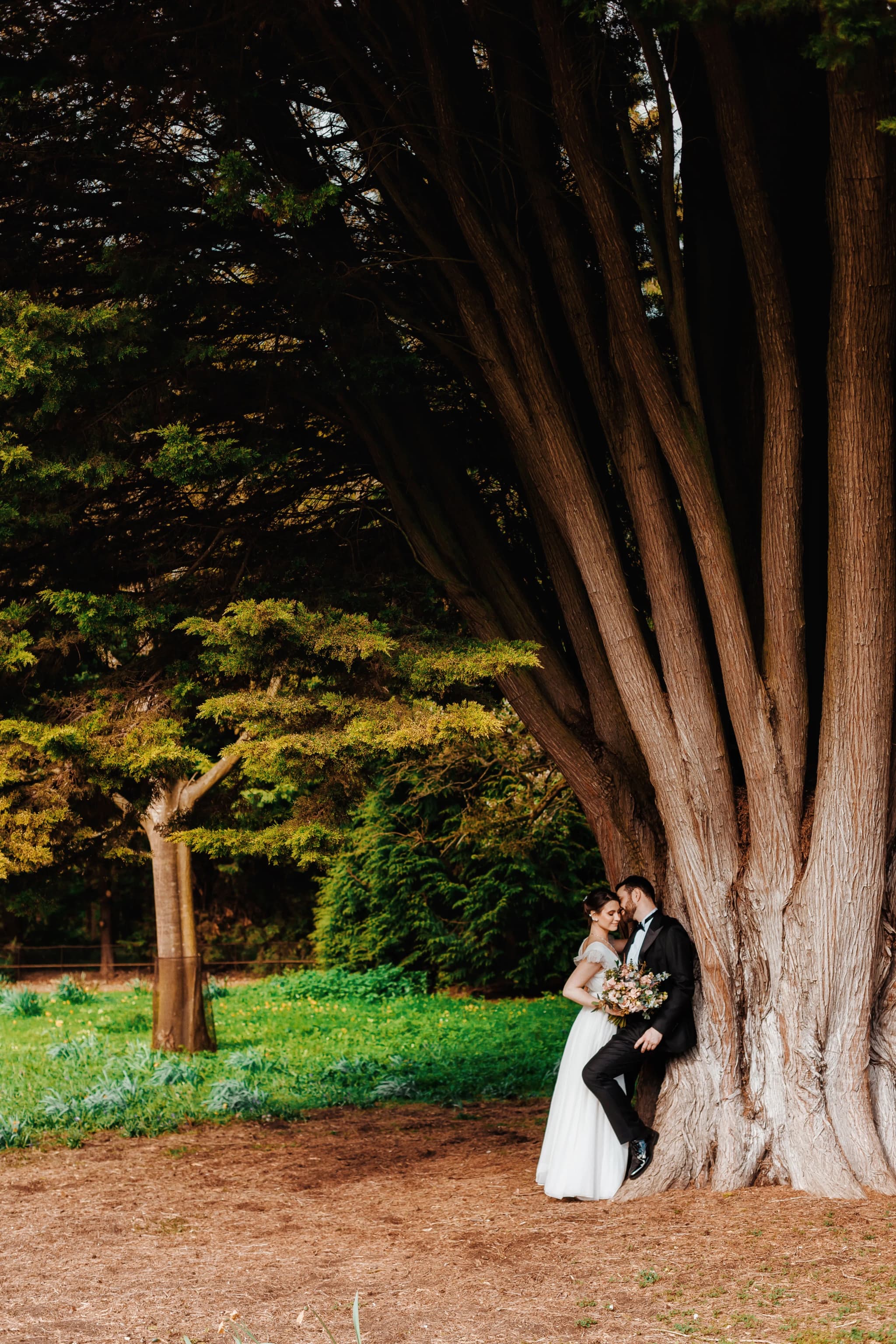
The same applies to engagement sessions, anniversary shoots, and portrait sessions booked specifically to build content. Couples planning a wedding often book an engagement shoot for save-the-dates, but the resulting images are just as useful for the months of Instagram content leading up to the big day — and for photographers, stylists, planners, and other wedding-industry professionals, a well-shot portfolio session does the same job for a business account. If you are weighing up whether a session is "worth it" purely for content, it is worth remembering that a single well-planned shoot can outlast a year of ad hoc phone photos in terms of usable material.
Choose a Colour Story and Stay Loyal to It
Look at any Instagram account that reads as polished and you will usually find a limited, deliberate colour story running through it — warm and golden, cool and muted, high-contrast black and white, soft pastel. This does not need to be rigid or joyless, but it does need to be consistent enough that a viewer can recognise your posts before they even see your name.
Professional photography helps enormously here because a photographer edits with a consistent style across a whole shoot rather than adjusting each image individually and inconsistently, which is what tends to happen when people edit their own phone photos with whatever filter or app they happened to open that day. When you receive a wedding or portrait gallery, the images already share a coherent tone. Building your feed from that gallery, rather than mixing it freely with unedited phone shots, does most of the consistency work for you before you have even opened an editing app.
If you do need to touch up images before posting, keep your adjustments minimal and repeatable: the same slight warmth, the same shadow lift, the same crop ratio. Small, boring consistency choices, repeated every time, do more for a feed's overall look than any single dramatic edit.
Planning a shoot with your feed in mind
If content is part of why you are booking a session — engagement photos, a portrait shoot, or wedding coverage you know you will want to share — it is worth saying so up front. I can plan locations, outfits, and pacing through the day with an eye to giving you a genuine range of images: some quiet and editorial, some full of movement, some close and detailed, so your feed has variety to draw from rather than thirty near-identical frames from one spot.
Get in touchThink in Grids, Not Individual Posts
Instagram's grid view rewards people who plan a little ahead, even loosely. Before posting, it is worth looking at how a new image will sit next to the two either side of it: does it clash in colour, does it repeat a very similar composition, does it break up a run of close-up shots with something wider and more breathing-room. You do not need a spreadsheet or a scheduling app with a grid preview (though plenty exist and are genuinely useful), but a habit of glancing at your last three or four posts before choosing the next one goes a long way.
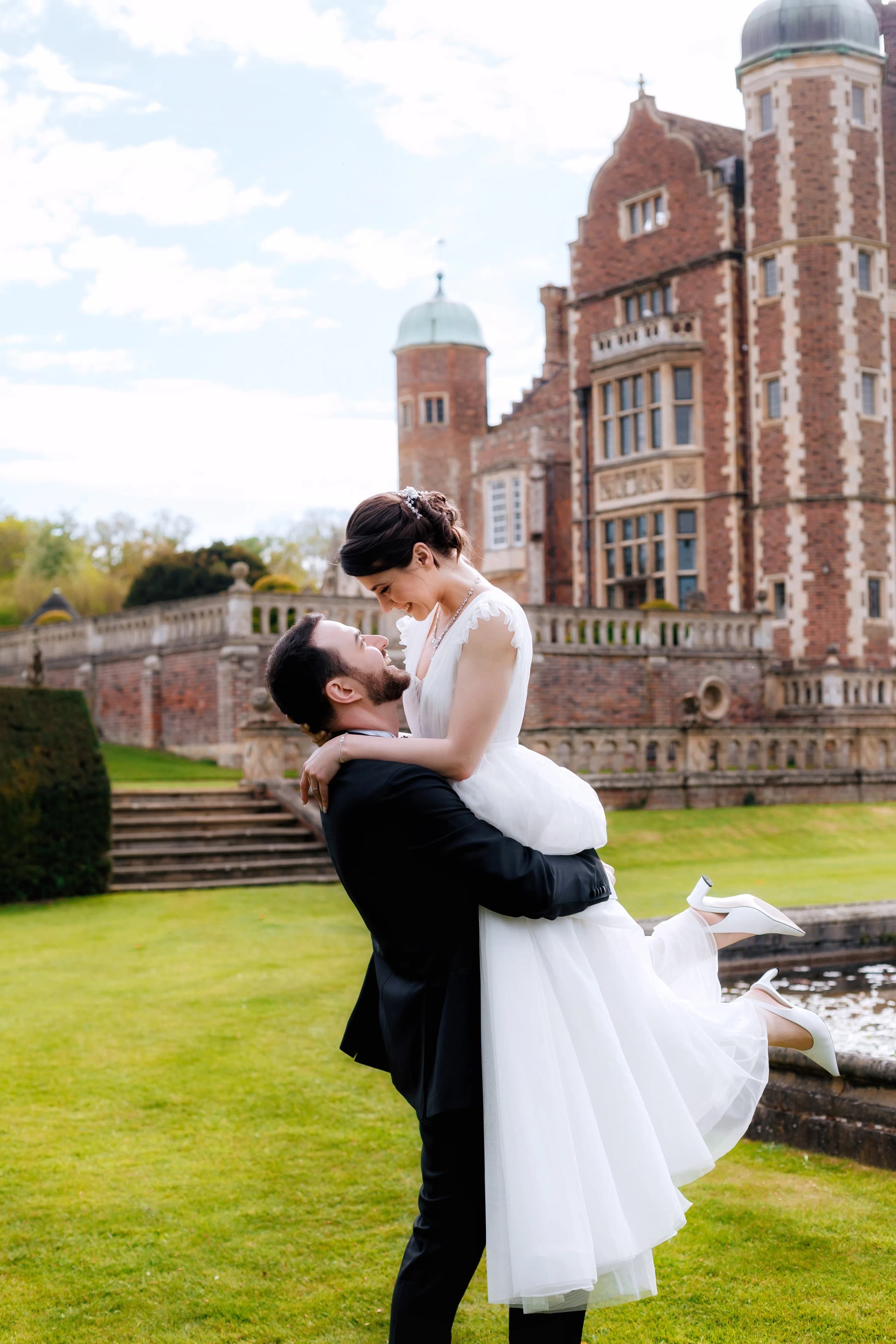
This is where a varied professional gallery earns its keep. A wedding day, properly photographed, naturally produces a mix of wide venue shots, candid detail, portraits, and quieter in-between moments — exactly the variety a well-paced grid needs. If you are choosing a venue and thinking ahead to how the day will translate into shareable images, our guide to wedding photography across the UK and the weddings section both cover the range of coverage styles worth discussing with your photographer in advance.
Pace Your Posts — Do Not Dump a Whole Gallery at Once
One of the most common mistakes after receiving a big gallery, wedding or otherwise, is posting fifteen images in the space of a week out of sheer excitement. It is completely understandable, but it front-loads all your best content and leaves the feed with nothing fresh a month later. A better approach is to treat a large gallery as a content bank: pick a handful of standout images to share close to the event, then space the rest out over the following weeks or months, mixed in with other posts.
This pacing does two things. It keeps your feed active and fresh for longer without requiring constant new shoots, and it gives each image room to be seen properly rather than getting lost in a flood of similar posts on the same day. If you are planning ahead for a wedding and want a rough sense of what a full day's coverage yields in terms of image volume, it is worth discussing directly — details on coverage and delivery are outlined on the pricing page, and it is a good early conversation to have if content pacing matters to you.
Use Captions and Stories to Extend a Single Shoot
A consistent feed is not only about the images themselves. Captions that tell a small piece of the story behind a photo — where it was taken, what was happening, a detail that would not be obvious from the image alone — give even a familiar photo new life and encourage genuine engagement rather than a passive scroll past. Stories and highlights are also worth using deliberately: behind-the-scenes moments, a short clip from the day, or a close detail shot that did not make the main grid all extend the value of one professional shoot well beyond the handful of images you post to the main feed.
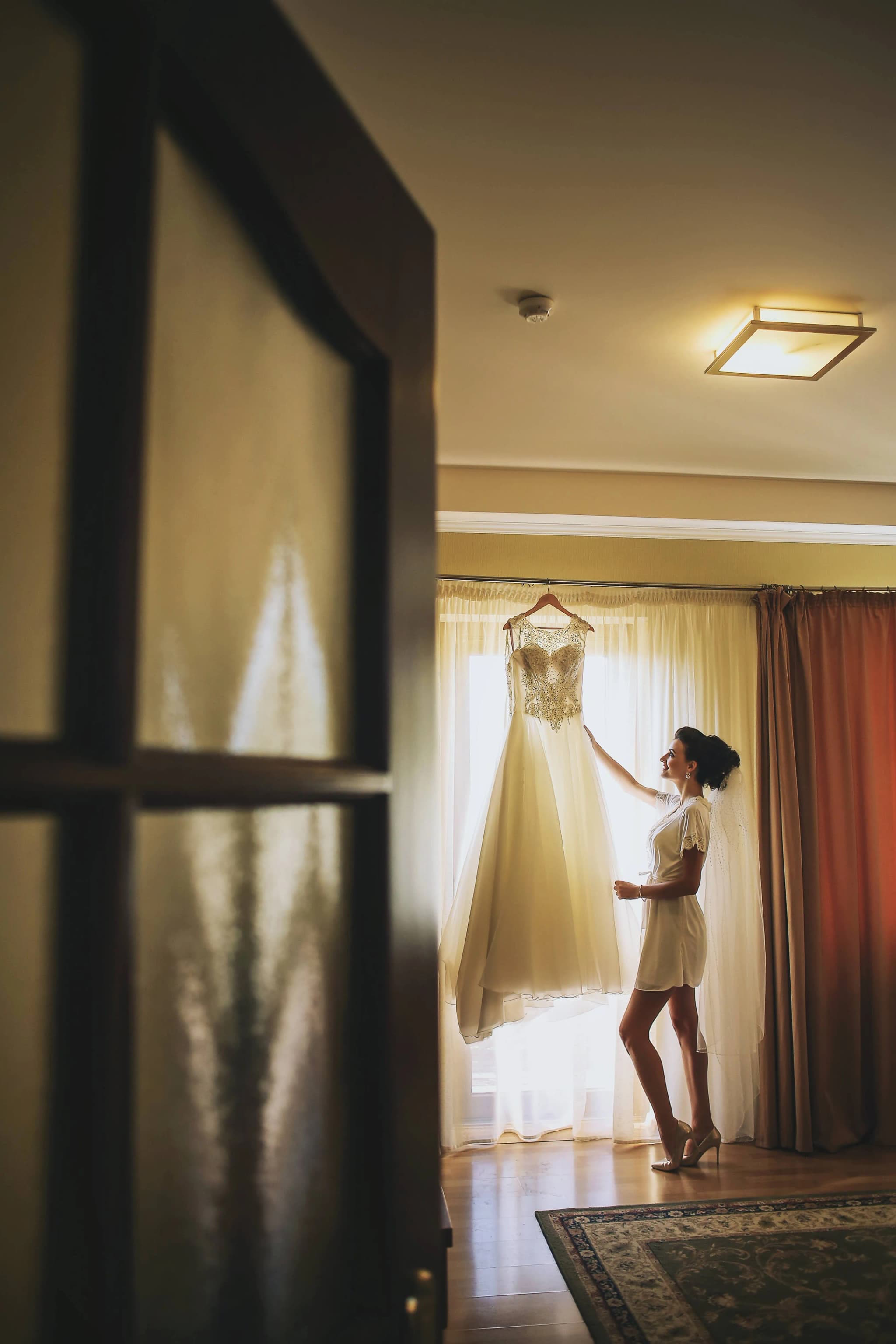
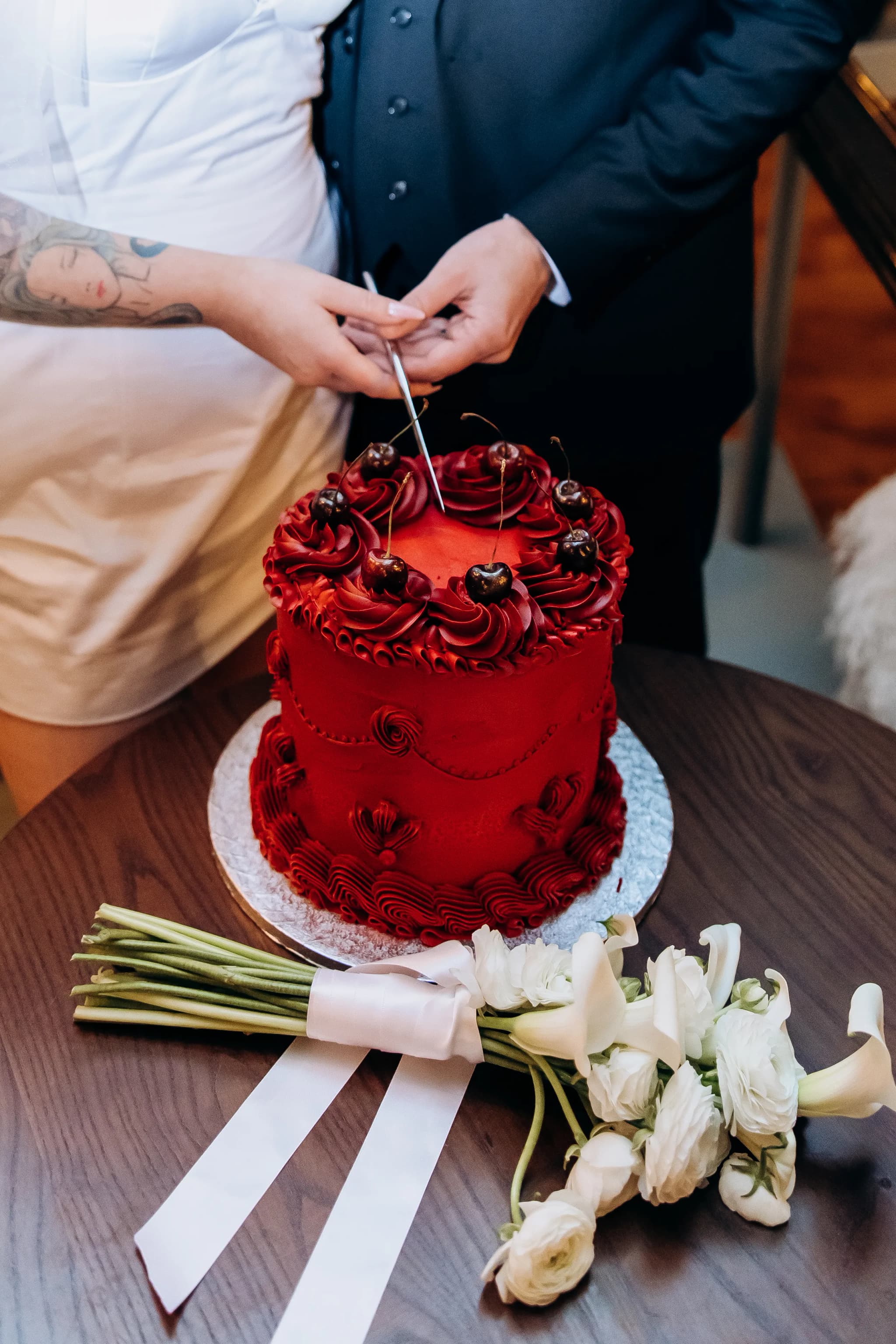
For couples building highlights around their wedding day specifically, it is worth requesting a small selection of behind-the-scenes or candid detail shots — rings on a table, a bouquet being finished, hands being held before the ceremony — alongside the main portrait and reportage coverage. These smaller, quieter images often perform very well in Stories precisely because they feel unguarded compared to the more composed portraits that anchor the main grid.
Let Your Album or Print Choices Guide What You Share Digitally
There is a useful discipline in choosing your favourite images for a physical album or wall print before deciding what goes on Instagram, rather than the other way around. Images strong enough to earn a place in a printed wedding album are, almost by definition, images strong enough to anchor your feed. Working from that shortlist rather than posting whatever crosses your mind that day tends to produce a noticeably more consistent, more considered result, because you are drawing from images that have already been through one round of genuine editing and selection.
This also protects against a common feed problem: overexposure of a single event. If every image you post for two months comes from one wedding day, the account starts to feel one-note even if each individual photo is beautiful. Pacing your best professional images alongside other content — portraits, travel, day-to-day life, other projects — keeps the feed feeling like a fuller picture of you rather than a single highlight reel on loop.
The Honest Limits of Phone Photography for This Purpose
Modern phone cameras are genuinely impressive, and there is no need to abandon them for everyday posting — a candid phone shot has its own charm and belongs in a well-rounded feed. But phones struggle with the specific things that make a feed read as polished at a glance: consistent skin tones across different lighting, genuine depth of field for a subject that separates cleanly from its background, and reliable performance in low light without noise or blur. These are the areas where professional photography does work a phone cannot easily replicate, however good the software processing has become.
The honest answer, then, is not that phone photography is bad or that every post needs to be professionally shot. It is that a feed built entirely from phone snaps will always struggle to achieve the kind of visual consistency that makes an account feel considered, while a feed anchored by even a modest amount of professional photography — one seasonal shoot, one event, one portrait session — gains a baseline of quality and coherence that the phone-only posts can then sit alongside comfortably.
Building a consistent Instagram feed is less about any single trick and more about treating your photography as a resource to be planned, paced, and curated rather than posted at random. If you are thinking about a session specifically with content in mind — whether that is wedding coverage, an engagement shoot, or a standalone portrait session — it is worth raising early so the day can be planned with variety and pacing in mind from the start. Yana Skakun Photography works with couples and clients across Cambridge and beyond who want images that do double duty: beautiful on the wall, and genuinely useful for building a feed that looks like it was made on purpose. Get in touch to talk through what a session tailored to your content needs might look like.

Yana Skakun
Photographer · England
Professional wedding, family and portrait photographer based in England. Passionate about capturing authentic emotions and timeless moments.
About Yana →consistent instagram feedprofessional photos instagramwedding photography instagraminstagram feed aestheticengagement photos contentinstagram grid planning
Wedding Tips — Wedding Photography in Cambridge & England
Yana Skakun is a professional wedding photographer based in Cambridge, covering weddings across England — from intimate elopements to full-day ceremonies at country houses, barns, and city venues. Every couple receives a relaxed, documentary approach that captures the day as it truly unfolds. This guide — How to Build a Consistent Instagram Feed with Professional Photos — is part of the photography journal: practical, experience-based advice drawn from real sessions across England. Whether you arrived searching for consistent instagram feed or professional photos instagram, the same care and attention shapes every session Yana photographs.
Wedding Photography sessions are available year-round, with bookings open across Cambridge, Ely, Huntingdon, Peterborough, and further afield — East England, London, the Midlands, and beyond. If you have specific questions about wedding photography instagram, mention it in your enquiry. Get in touch through the contact form above to check availability and discuss your session. Enquiries are welcomed from anywhere in the UK.
Frequently Asked Questions
How much does a wedding photographer cost in England?+
Wedding photography in England typically ranges from £1,500 to £4,000+ for a full day. Price depends on experience, coverage hours, and whether albums or engagement shoots are included. Most photographers charge between £2,000–£3,000 for 8–10 hours of coverage.
How early should you book a wedding photographer?+
For peak season (May–September), book 12–18 months in advance. For autumn and winter weddings, 9–12 months is usually sufficient. Popular photographers at popular venues fill up fast — as soon as you have a date and venue confirmed, start reaching out.
How many photos do you get from a wedding photographer?+
Most professional wedding photographers deliver 400–800 edited images for a full-day wedding. The exact number depends on coverage hours, how many guests there are, and the photographer's editing style. Quality matters more than quantity — a curated gallery of 500 images tells the story better than 1,500 unedited files.
Do you need a second photographer at your wedding?+
A second photographer is helpful if you want simultaneous coverage of getting-ready moments in different locations, multiple angles during the ceremony, or more candid coverage during the reception. It adds cost but significantly increases the variety and completeness of your gallery.
What is the difference between documentary and editorial wedding photography?+
Documentary (reportage) wedding photography captures moments as they happen — the photographer observes and doesn't intervene. Editorial photography involves deliberate direction: placing you in good light, shaping compositions, creating intentional portraits. Most photographers blend both styles throughout the day.
Continue Reading
Related Articles

Wedding Tips
Sustainable Eco-Friendly Wedding Guide — Planning a Green Celebration
15 min read · Read Article
Wedding Tips
Trash the Dress Session — Complete Planning and Photography Guide
14 min read · Read Article
Wedding Tips
Client Communication for Photographers — From Enquiry to Gallery Delivery
15 min read · Read Article
Get in Touch
Ready to Book Your Session?
Get in touch to discuss your vision — I'll reply within 24 hours.