Yana Skakun

How to Save Money on Your Wedding Photographer Without Cutting Quality
By Yana Skakun·10 July 2026·8 min read
Wedding photography is very often one of the largest single line items on a wedding budget, and it is also one of the easiest to feel anxious about, because unlike flowers or a cake, you cannot see the finished product before you commit. That combination of high cost and high uncertainty leads a lot of couples to either overspend out of fear of missing memories, or underspend and end up disappointed with what they receive. Neither outcome is necessary. There are genuine, sensible ways to reduce what you spend on your wedding photographer without gambling on the quality of the images you will keep for the rest of your life, and that is what this article is actually about — not shortcuts that quietly reduce quality, but real trade-offs that let you spend less while still getting photographs you will be proud of.
Understand What You Are Actually Paying For
Before you can save money sensibly, it helps to understand what makes up a wedding photography fee in the first place, because a lot of the cost is invisible on the wedding day itself. A photographer's price generally covers their time on the day, the equipment they use and maintain, insurance, travel, the many hours of editing that happen afterwards, the systems they use to deliver and back up your images securely, and the experience that lets them handle a moving, unpredictable day calmly. In the UK, many wedding photographers charge somewhere in the region of £1,200 to £3,500 for a full day of coverage, with prices varying quite a bit depending on location, experience, demand, and exactly what is included. Some packages sit well outside that range in either direction, and that is normal too — it depends heavily on what you are being offered.
Once you understand that the fee is paying for time, skill, and editing rather than simply for showing up with a camera, it becomes much easier to see where genuine savings exist and where a cheaper price is really just cheaper coverage. This is worth reading alongside our broader guide to choosing a wedding photographer in the UK, which covers what to look for beyond price alone.
Reduce Hours, Not Skill
The single most effective way to lower your photography cost without lowering quality is to book fewer hours of coverage rather than a less experienced photographer. A skilled photographer working six focused hours will consistently produce better images than an inexperienced one working twelve, because the difference in ability and how they read light, moments, and a room does not disappear just because there is more time available. If your budget is tight, it is almost always better to hire someone whose work you genuinely love for a shorter, well-planned window than to hire someone whose work you are unsure about for the whole day.
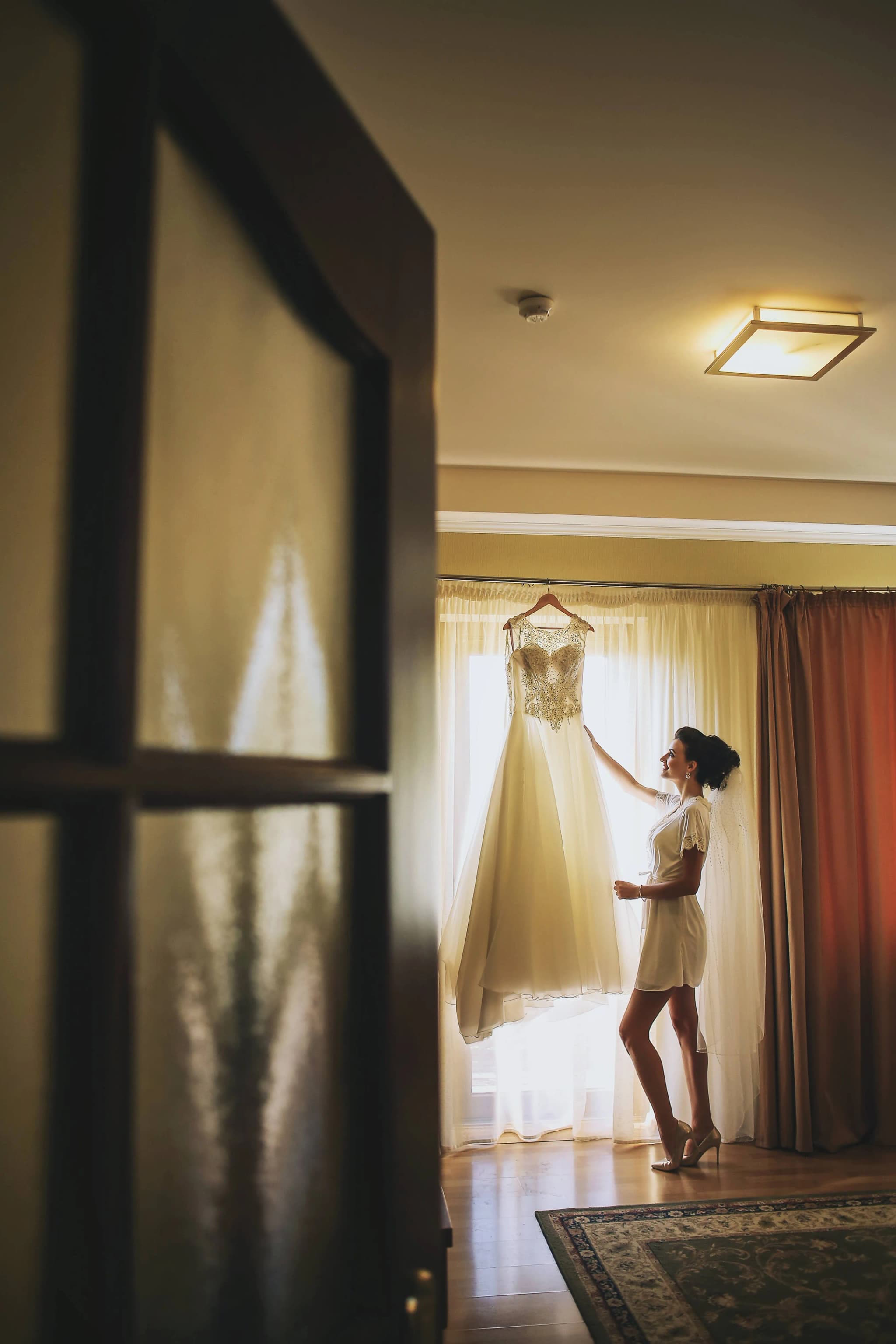
In practice this might mean coverage that starts from the ceremony rather than bridal preparation, or coverage that ends after the speeches and first dance rather than running until midnight. Sit down with your day's timeline and identify the parts that genuinely matter most to you — for many couples that is the ceremony, the couple portraits, and the reception atmosphere, while the quieter stretches of getting ready or late-evening dancing matter less. Trimming coverage around the moments you care about least is a far smarter cut than trimming your photographer's experience level.
Choose Your Wedding Date and Day Carefully
Demand has a very real effect on wedding photography pricing, in the same way it affects venues and caterers. Saturdays in the peak months of May through September are the most requested dates for almost every photographer in the country, and pricing, minimum hours, and availability all reflect that demand. A Friday or Sunday wedding, or a date in a quieter month such as January, February, or November, can often be booked at a lower rate simply because there is less competition for that date on a photographer's calendar.
This is not a trick or a compromise on quality — it is genuinely the same photographer, the same editing, the same attention, just on a day when supply and demand work slightly more in your favour. If your venue and guest list allow flexibility on the date, it is one of the lowest-risk ways to bring your photography cost down.
Be Selective About What You Print and Frame
Albums, framed prints, and wall art can add a meaningful amount to a wedding photography package, and while they are genuinely lovely things to have, they are also one of the easiest areas to scale back initially without losing anything permanent. Many photographers, myself included, offer full digital galleries with print rights as part of the core package, with albums and wedding albums available as an add-on rather than a requirement. That means you can choose to receive your full set of digital images at the wedding price, and then commission an album later — sometimes months or even a year afterwards — once the rest of the wedding costs have settled and you can budget for it properly.
This approach lets you spread the cost over time rather than absorbing it all in the run-up to the wedding, and it also means you are not paying interest on wedding finance for a physical product you will not actually use for years. It is worth asking any photographer you are considering whether album and print add-ons can be purchased after the wedding at the same rate quoted at booking, since some photographers do raise prices on add-ons over time.
Talk it through honestly
Every couple's budget and priorities are different, and the right way to save money on your day will not look the same for everyone. I would rather have an honest conversation about what matters most to you and build a package around that than have you either overspend out of anxiety or underspend and regret it later. If you would like to talk through your budget and timeline, I am always happy to have that conversation before you book anything.
Get in touchConsider a Second Shooter Only If You Actually Need One
A second photographer is a genuinely valuable addition for large weddings, weddings with two locations, or weddings where the couple wants coverage of both partners getting ready simultaneously. But for a smaller, more intimate wedding, a single experienced photographer working alone can often cover everything that matters without any real gap in the story of the day. Before adding a second shooter to your package by default, think honestly about your guest list size and your day's structure. If you have fewer than around eighty guests and a single preparation location, you may not need the additional cost at all.
This is a case where it genuinely pays to ask your photographer directly whether they think a second shooter is necessary for your specific day, rather than assuming it is always required. A photographer who tells you honestly that you probably do not need one, even though it would mean a smaller invoice for them, is telling you something useful about how they approach their pricing more broadly.
Book Early Rather Than Chasing Last-Minute Discounts
It is tempting to assume that waiting until closer to the wedding will produce discounts as photographers try to fill gaps in their calendar, but in practice the opposite is usually true for photographers whose work is in genuine demand. Good photographers with strong bookings tend to be reserved a year or more in advance, and by the time a date is only a few months away, the photographers still available for it are often either newer to the industry or working at a premium for last-minute availability. Booking early, sometimes twelve to eighteen months ahead for popular dates, generally gives you access to better photographers at their standard rate, along with more room to negotiate what is included in a package before their calendar fills up.
Early booking also gives you time to have a proper consultation, discuss your timeline in detail, and build a genuine working relationship with your photographer before the day itself, which tends to produce more relaxed, natural photographs than a rushed introduction a few weeks before the wedding.
Ask Direct Questions About What Is Included
Two photographers quoting similar headline prices can include very different things in that price, and comparing packages properly is one of the most effective ways to find genuine savings rather than hidden costs. Ask specifically about the number of hours covered, the number of final edited images you will receive, whether digital files come with full print rights or a restricted licence, how long the photographer keeps your images backed up, and what the turnaround time is for delivery. A lower headline price with fewer hours, fewer final images, and no print rights is often not actually cheaper once you account for what you are not getting compared with a slightly higher quote that includes everything you need.
It is entirely reasonable to ask a photographer for a written breakdown of exactly what a quoted price includes, and a photographer who is confident in their pricing should be happy to provide one. Our pricing page lays out exactly what is included at each level for that reason — so you can compare it directly against any other quote you are considering, rather than comparing headline numbers alone.
Where Not to Cut Corners
While there are genuine ways to reduce cost, there are a few areas where cutting corners tends to produce regret rather than savings. Hiring an inexperienced or uninsured photographer purely because they are inexpensive is the biggest risk, because wedding photography has no reshoot — if the coverage is missed or poorly handled, there is no way to recover it afterwards. Similarly, choosing a photographer whose existing portfolio you do not genuinely love, purely because their price is lower, tends to leave couples disappointed with images they will look at for decades. It is worth spending time browsing a photographer's full portfolio of real weddings rather than a curated highlight reel, so you know what a typical day with them actually looks like, not just their best possible shots.
The honest advice is to treat your photography budget as flexible in structure — hours, add-ons, timing, second shooters — but not flexible in the fundamental quality and experience of the person you hire. A slightly smaller, better-planned package with a photographer whose work you trust will almost always serve you better than a larger package with someone you chose primarily because they were affordable.
Saving money on your wedding photography is entirely possible when you approach it thoughtfully — by adjusting hours, timing, and add-ons rather than compromising on the person behind the camera. At Yana Skakun Photography, I try to be transparent about pricing from the very first conversation, so you can make these decisions with full information rather than guesswork. If you would like to talk through your budget, your date, and what package might genuinely suit your day, get in touch and we can work it out together.

Yana Skakun
Photographer · England
Professional wedding, family and portrait photographer based in England. Passionate about capturing authentic emotions and timeless moments.
About Yana →save money wedding photographerwedding photography budget UKaffordable wedding photographerwedding photography pricinghow to budget for a wedding photographerUK wedding photography cost
Wedding Tips — Wedding Photography in Cambridge & England
Yana Skakun is a professional wedding photographer based in Cambridge, covering weddings across England — from intimate elopements to full-day ceremonies at country houses, barns, and city venues. Every couple receives a relaxed, documentary approach that captures the day as it truly unfolds. This guide — How to Save Money on Your Wedding Photographer Without Cutting Quality — is part of the photography journal: practical, experience-based advice drawn from real sessions across England. Whether you arrived searching for save money wedding photographer or wedding photography budget uk, the same care and attention shapes every session Yana photographs.
Wedding Photography sessions are available year-round, with bookings open across Cambridge, Ely, Huntingdon, Peterborough, and further afield — East England, London, the Midlands, and beyond. If you have specific questions about affordable wedding photographer, mention it in your enquiry. Get in touch through the contact form above to check availability and discuss your session. Enquiries are welcomed from anywhere in the UK.
Frequently Asked Questions
How much does a wedding photographer cost in England?+
Wedding photography in England typically ranges from £1,500 to £4,000+ for a full day. Price depends on experience, coverage hours, and whether albums or engagement shoots are included. Most photographers charge between £2,000–£3,000 for 8–10 hours of coverage.
How early should you book a wedding photographer?+
For peak season (May–September), book 12–18 months in advance. For autumn and winter weddings, 9–12 months is usually sufficient. Popular photographers at popular venues fill up fast — as soon as you have a date and venue confirmed, start reaching out.
How many photos do you get from a wedding photographer?+
Most professional wedding photographers deliver 400–800 edited images for a full-day wedding. The exact number depends on coverage hours, how many guests there are, and the photographer's editing style. Quality matters more than quantity — a curated gallery of 500 images tells the story better than 1,500 unedited files.
Do you need a second photographer at your wedding?+
A second photographer is helpful if you want simultaneous coverage of getting-ready moments in different locations, multiple angles during the ceremony, or more candid coverage during the reception. It adds cost but significantly increases the variety and completeness of your gallery.
What is the difference between documentary and editorial wedding photography?+
Documentary (reportage) wedding photography captures moments as they happen — the photographer observes and doesn't intervene. Editorial photography involves deliberate direction: placing you in good light, shaping compositions, creating intentional portraits. Most photographers blend both styles throughout the day.
Continue Reading
Related Articles

Wedding Tips
Sustainable Eco-Friendly Wedding Guide — Planning a Green Celebration
15 min read · Read Article
Wedding Tips
Trash the Dress Session — Complete Planning and Photography Guide
14 min read · Read Article
Wedding Tips
Client Communication for Photographers — From Enquiry to Gallery Delivery
15 min read · Read Article
Get in Touch
Ready to Book Your Session?
Get in touch to discuss your vision — I'll reply within 24 hours.