Yana Skakun

What to Wear for a Winter Wedding Photoshoot: Brides & Grooms
By Yana Skakun·10 July 2026·7 min read
Winter weddings have a particular magic to them — frosted grounds, bare trees, low golden light in the early afternoon, and interiors lit by candles and fairy lights once the sun goes down. But winter also asks more of you than a summer wedding does when it comes to what you and your wedding party actually wear in front of the camera. Cold changes posture, changes colour in the face, and changes how comfortable people are standing still for portraits. Getting the clothing right is not vanity — it is part of what makes the difference between photographs where everyone looks relaxed and photographs where everyone is visibly bracing against the cold.
I shoot a good number of winter weddings across the UK each year, and the questions about what to wear come up in almost every planning conversation. This guide covers what I actually tell brides, grooms, and wedding parties when a December, January, or February date is on the calendar.
Why Winter Clothing Choices Matter More for Photographs
In summer, if someone is slightly cold for five minutes during outdoor portraits, it barely registers on their face. In winter, five minutes without an adequate layer produces visibly reddened hands, hunched shoulders, and a tightness around the eyes that reads clearly in photographs even when someone is smiling. The single biggest photographic problem with winter weddings is not the weather itself — it is guests and wedding parties who are underdressed for the ten or fifteen minutes they will actually spend outside, which then shows on every face in every group shot.
The good news is that winter clothing, done well, photographs beautifully. Rich fabrics, layered textures, and deeper colour palettes give images a warmth and sophistication that is genuinely difficult to achieve in a light summer dress and buttonholes. The aim is not to disguise the season but to dress for it properly, so that comfort and style work together rather than against each other.
What Brides Should Consider
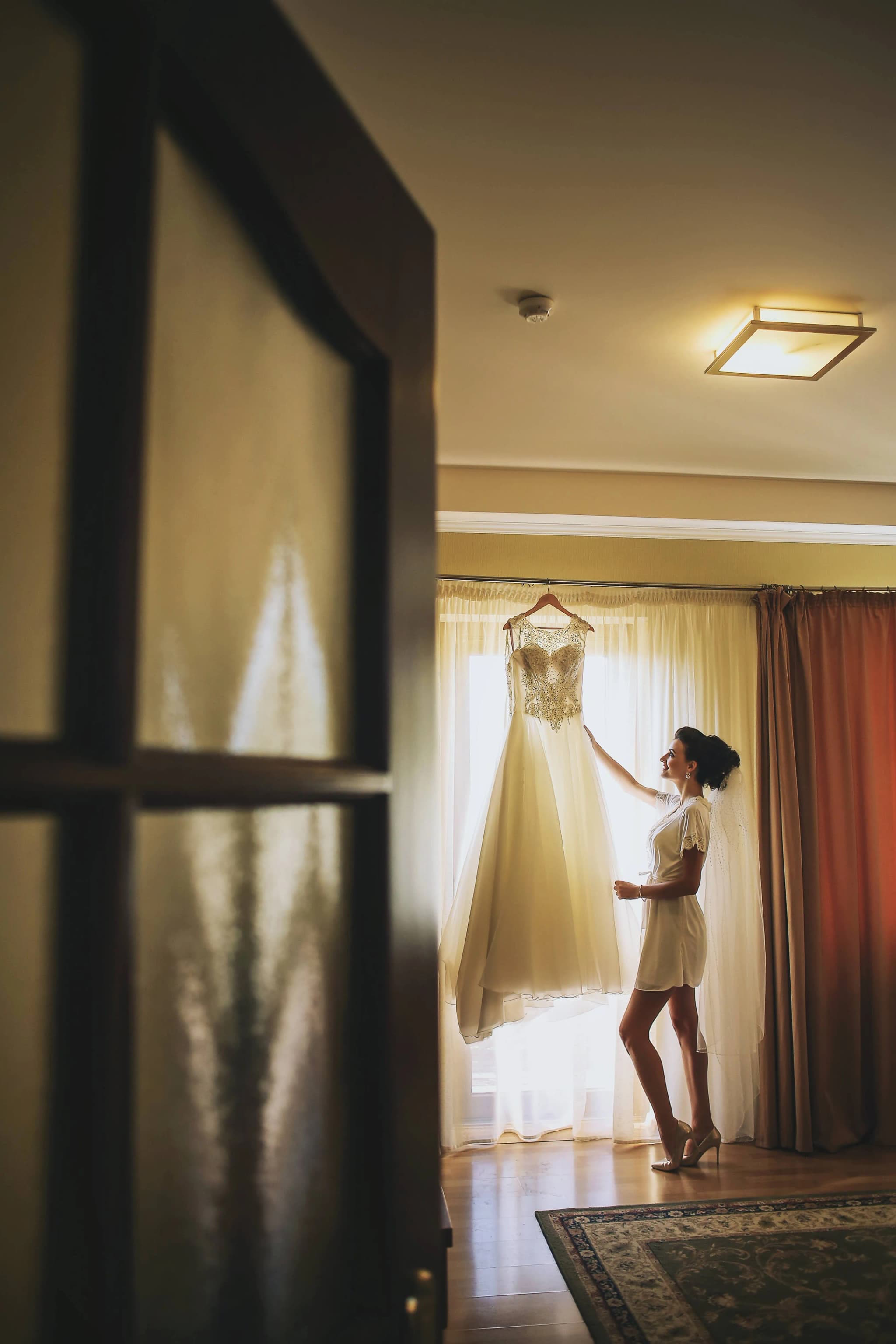
A winter wedding dress does not need to be heavy to work in cold weather, but the fabric does matter. Crepe, silk mikado, and heavier satins hold their shape and drape well in cooler air, whereas very light chiffon can look slightly flat and can also blow around uncomfortably if there is any wind during outdoor portraits. Long sleeves, illusion sleeves, or a dress with some structure at the shoulder are increasingly common choices for winter brides, and they photograph just as elegantly as a strapless gown — arguably more so, since covered arms and shoulders mean you are not fighting visible goosebumps in every outdoor frame.
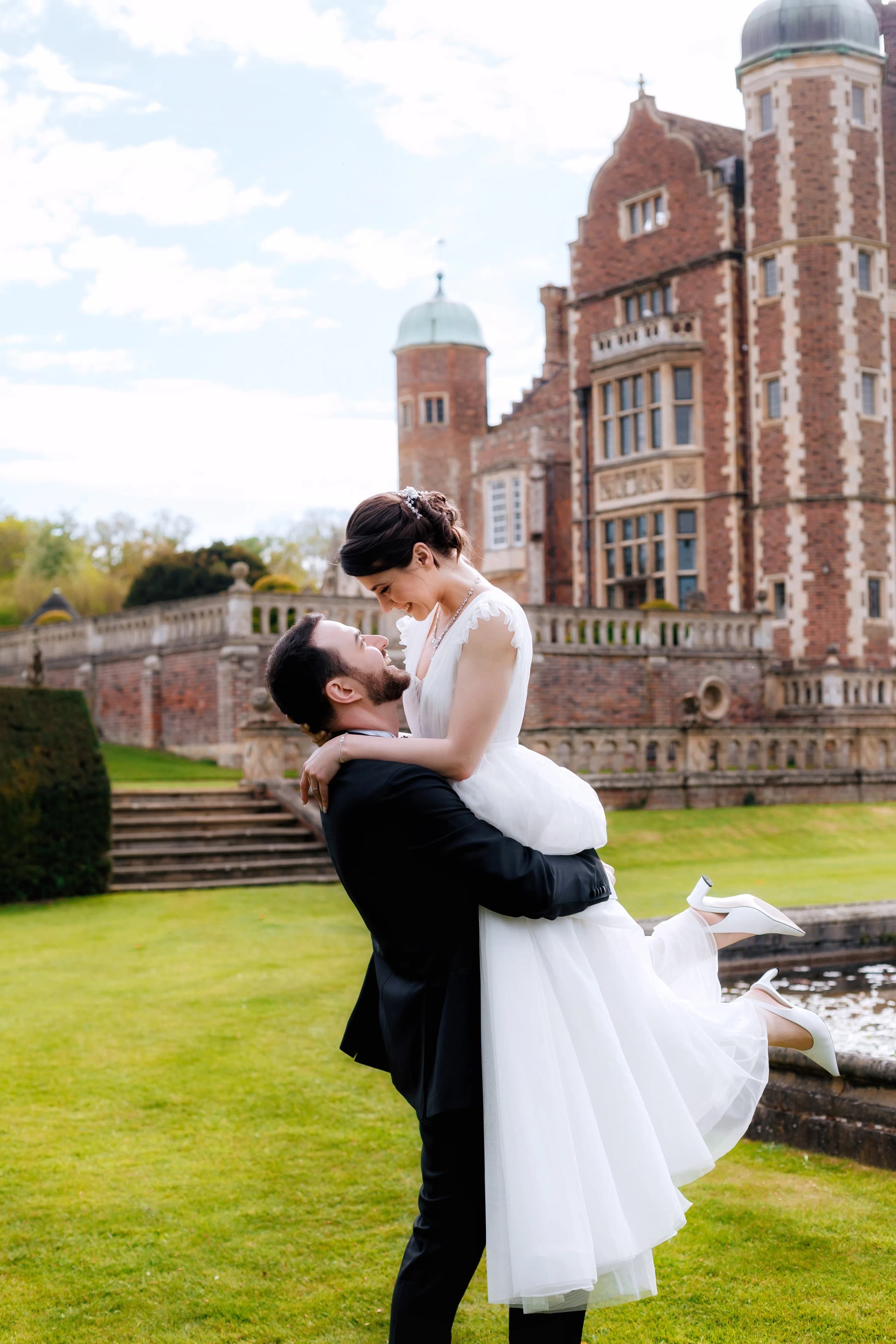
A faux fur wrap, a tailored coat cut to fit over the dress, or a long-line cape are the three options I see most often, and all three work well in photographs. A faux fur stole in particular photographs beautifully against a stone church doorway or a frosted garden, adding texture without hiding the dress underneath. If you are set on bare shoulders for the ceremony and photographs, plan a five to ten minute window for those specific shots and have the wrap ready to put straight back on afterwards — your photographer should be planning for exactly this kind of efficient outdoor window rather than leaving you standing around exposed.
For your feet, this is the one place I will actively push back on aesthetics. Frozen grass, gravel, and stone paths in December are not forgiving to delicate heels, and a bride who is unsteady on frozen ground does not move naturally in photographs. I always recommend having a pair of flat boots or wellies to change into for any walking between locations, with the actual wedding shoes reserved for the ceremony, the reception, and posed portraits taken close to the venue.
What Grooms and Groomsmen Should Consider
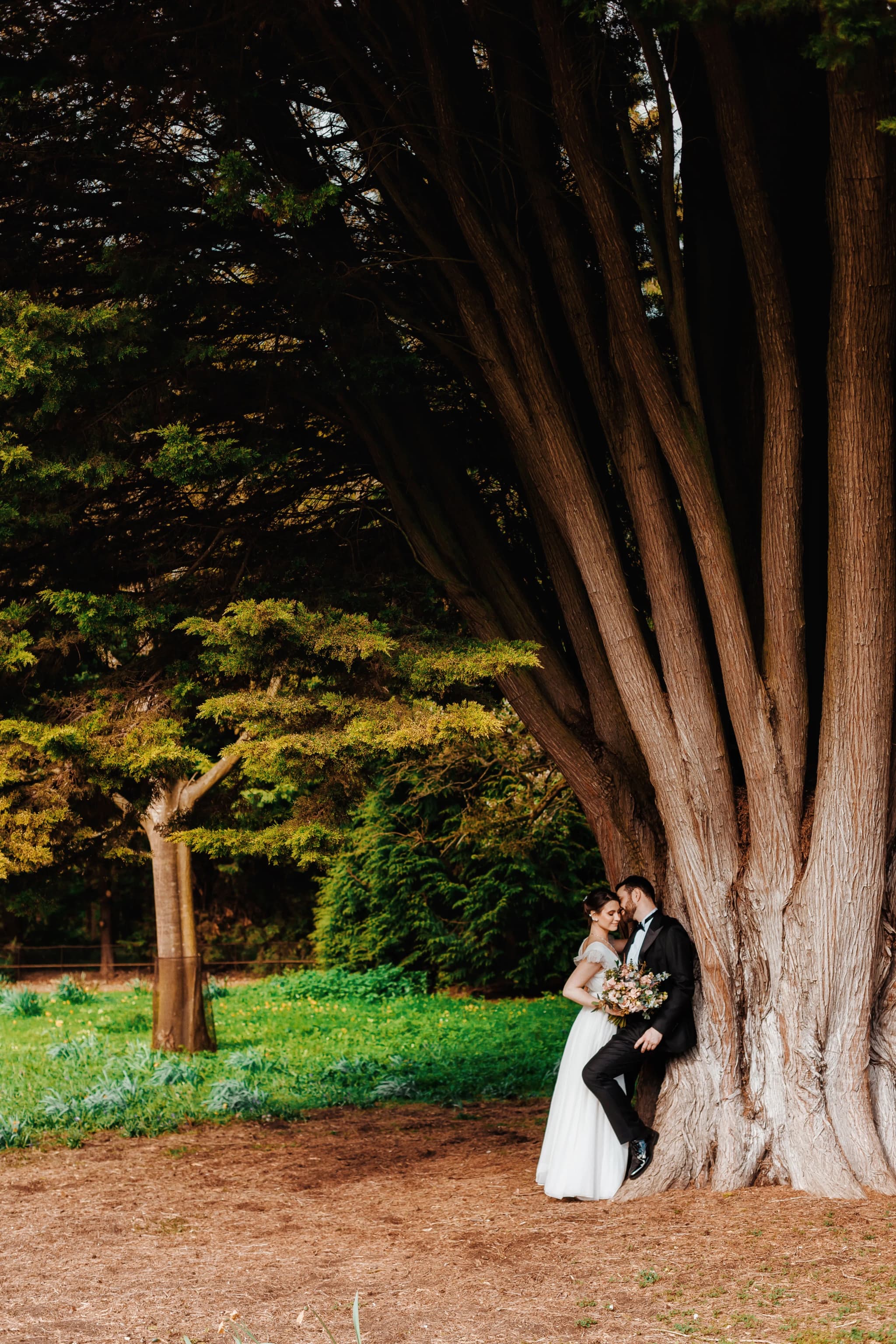
A winter suit benefits from weight and structure that a summer linen suit does not need. Tweed, heavier wool, and flannel all photograph with a richness that lighter summer fabrics cannot match, and they genuinely keep you warmer during the parts of the day spent outside. Deep navy, charcoal, forest green, and burgundy all sit comfortably within a winter palette and photograph well against both frosted outdoor backdrops and warmly lit indoor venues.
Waistcoats are worth considering even if you plan to remove the jacket later in the day, since they add a layer of warmth as well as a layer of visual interest in photographs. A wool overcoat for outdoor portraits is one of the most useful single items a winter groom can have on hand — not worn throughout the day, but ready for the specific ten minutes of outdoor couple portraits, then removed again for the reception. Scarves and gloves photograph surprisingly well in candid moments arriving at or leaving the ceremony, though I generally suggest removing gloves for the ring exchange and for close-up portrait shots, since bare hands read more naturally in the frame.
Colour Palettes That Work in Winter Light
Winter light is cooler and bluer than summer light, particularly on overcast days, which are common for UK winter weddings. Deep, saturated colours — emerald, burgundy, forest green, navy, plum, charcoal — hold their richness in this kind of light in a way that pale pastels simply do not. A dusty pink or pale blue bridesmaid dress that looks lovely in a July garden can look washed out and slightly grey against a flat December sky, whereas the same dress in a deep jewel tone holds its colour and adds real warmth to the image.
For the wedding party generally, I encourage couples to think in terms of tonal depth rather than a strict colour rule. Mixing textures — velvet, wool, faux fur, satin — within a coordinated deep palette gives photographs visual interest without looking chaotic. Metallics, particularly gold and bronze accessories, also photograph beautifully against winter backdrops and against the warm tones of candlelight if your reception is lit that way.
Planning outdoor portraits around the cold
If you are planning a winter wedding and want outdoor portraits without anyone shivering through them, I build a tight, efficient shot list in advance so the outdoor window is as short and purposeful as possible. Every couple I work with gets a walk-through of timings before the day so warm layers can be planned into the schedule rather than left as an afterthought.
Get in touchLayering Without It Looking Like Layering
The trick with winter wedding layers is making sure they read as intentional rather than as an obvious concession to the cold. A well-cut coat over a dress, a tailored waistcoat under a suit jacket, a faux fur stole with a matching muff for a bride — these are all layers that add to the look of the outfit rather than simply sitting on top of it looking like an afterthought. Avoid anything bulky or shapeless as an outer layer; a puffer jacket over a wedding dress, however practical, photographs badly and breaks the line of the whole outfit.
Hand warmers are one of the most useful and least visible tools available to a winter wedding party. Slim, disposable hand warmers tucked into pockets or a muff keep hands warm without adding any bulk to an outfit, and warm hands mean natural, relaxed hand positioning in every portrait rather than the stiff, curled fingers that come from genuinely cold hands. I always suggest having a stock of these on hand for the bride, groom, and the full wedding party, especially for anyone doing an outdoor ceremony.
Footwear and Practical Details
Beyond the bride's footwear already mentioned, groomsmen and bridesmaids benefit from the same logic. If your venue involves any walking across grass, gravel, or uneven ground, having practical footwear for transit and formal footwear for photographs solves the problem cleanly without anyone having to compromise on how the final images look. Tights and stockings for bridesmaids should be a slightly heavier denier than you might choose for a summer wedding — sheer tights in near-freezing temperatures rarely last through an entire day of outdoor photographs without visible discomfort.
Umbrellas are also worth having on standby, not only for rain but because a clear or black umbrella can be used deliberately in photographs on a wet winter day rather than treated purely as an inconvenience to hide from. Some of the most striking winter wedding images I have taken have involved rain or light snow captured directly, with the wedding party dressed and prepared for it rather than caught off guard.
A Note on Makeup, Hair, and Skin in Cold Weather
Cold air and wind affect skin and makeup differently than warm summer air does. Skin tends to redden at the nose, cheeks, and hands more quickly in cold temperatures, which is worth mentioning to your makeup artist in advance so a slightly heavier, longer-wearing base can be planned for any outdoor portrait time. Lip colour also fades faster in cold, dry air, so having a top-up ready for outdoor portraits is a small but genuinely useful addition to your day-of kit. Hair styled with movement can be affected by wind on an exposed outdoor site, so if your ceremony or portrait location is particularly open, a slightly more structured style tends to hold better through the day than one relying on loose, flowing movement.
Bringing It Together on the Day
The couples who get the best winter wedding photographs are, almost without exception, the ones who planned their outfits and their day-of logistics around the season rather than trying to force a summer approach into December. That means warm layers ready and waiting rather than hunted for at the last minute, footwear that matches the actual ground conditions, and an honest conversation with your wedding photographer in advance about how long outdoor portraits will realistically take and what needs to be worn or carried to make that window comfortable.
If you are planning an intimate winter celebration rather than a full wedding day, many of the same principles apply — and if you are considering something smaller and more private, it is worth looking at what an elopement photographer can offer for a winter date, since smaller guest lists often allow more flexibility with timing and location around the cold. Whatever the scale of your day, details like your wedding album will carry these images for decades, so it is worth getting the practical planning right at the outset.
Every winter wedding I photograph is different, but the underlying advice stays consistent: dress in layers that photograph as intentional, choose fabrics and colours suited to cooler light, protect hands and feet specifically, and plan outdoor portrait time as a short, well-organised window rather than an open-ended stretch in the cold. For details on how I approach winter wedding day timelines and coverage, see my pricing page, or get in touch directly to talk through your date. I am Yana Skakun, and I would love to help you plan a winter wedding day where the photographs feel as warm as the celebration itself.

Yana Skakun
Photographer · England
Professional wedding, family and portrait photographer based in England. Passionate about capturing authentic emotions and timeless moments.
About Yana →what to wear winter weddingwinter wedding attirewinter wedding photography tipswinter bride outfitcold weather wedding photoshootUK winter wedding
Wedding Tips — Wedding Photography in Cambridge & England
Yana Skakun is a professional wedding photographer based in Cambridge, covering weddings across England — from intimate elopements to full-day ceremonies at country houses, barns, and city venues. Every couple receives a relaxed, documentary approach that captures the day as it truly unfolds. This guide — What to Wear for a Winter Wedding Photoshoot: Brides & Grooms — is part of the photography journal: practical, experience-based advice drawn from real sessions across England. Whether you arrived searching for what to wear winter wedding or winter wedding attire, the same care and attention shapes every session Yana photographs.
Wedding Photography sessions are available year-round, with bookings open across Cambridge, Ely, Huntingdon, Peterborough, and further afield — East England, London, the Midlands, and beyond. If you have specific questions about winter wedding photography tips, mention it in your enquiry. Get in touch through the contact form above to check availability and discuss your session. Enquiries are welcomed from anywhere in the UK.
Frequently Asked Questions
How much does a wedding photographer cost in England?+
Wedding photography in England typically ranges from £1,500 to £4,000+ for a full day. Price depends on experience, coverage hours, and whether albums or engagement shoots are included. Most photographers charge between £2,000–£3,000 for 8–10 hours of coverage.
How early should you book a wedding photographer?+
For peak season (May–September), book 12–18 months in advance. For autumn and winter weddings, 9–12 months is usually sufficient. Popular photographers at popular venues fill up fast — as soon as you have a date and venue confirmed, start reaching out.
How many photos do you get from a wedding photographer?+
Most professional wedding photographers deliver 400–800 edited images for a full-day wedding. The exact number depends on coverage hours, how many guests there are, and the photographer's editing style. Quality matters more than quantity — a curated gallery of 500 images tells the story better than 1,500 unedited files.
Do you need a second photographer at your wedding?+
A second photographer is helpful if you want simultaneous coverage of getting-ready moments in different locations, multiple angles during the ceremony, or more candid coverage during the reception. It adds cost but significantly increases the variety and completeness of your gallery.
What is the difference between documentary and editorial wedding photography?+
Documentary (reportage) wedding photography captures moments as they happen — the photographer observes and doesn't intervene. Editorial photography involves deliberate direction: placing you in good light, shaping compositions, creating intentional portraits. Most photographers blend both styles throughout the day.
Continue Reading
Related Articles

Wedding Tips
Sustainable Eco-Friendly Wedding Guide — Planning a Green Celebration
15 min read · Read Article
Wedding Tips
Trash the Dress Session — Complete Planning and Photography Guide
14 min read · Read Article
Wedding Tips
Client Communication for Photographers — From Enquiry to Gallery Delivery
15 min read · Read Article
Get in Touch
Ready to Book Your Session?
Get in touch to discuss your vision — I'll reply within 24 hours.